Raised Beds Norfolk

Custom-built raised beds for growing, accessibility, and architectural interest in your garden.

About This Service

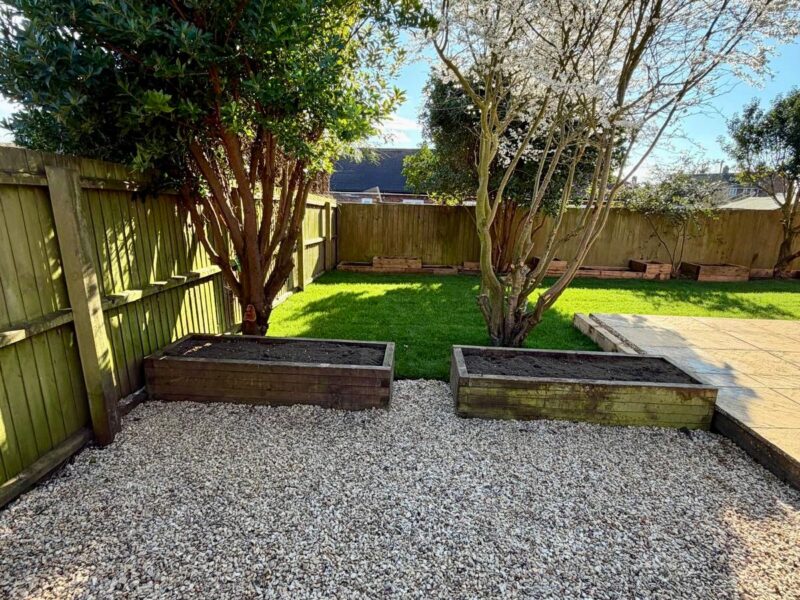
Raised beds are one of the most versatile features in any garden. They solve drainage problems, improve soil quality, bring planting up to a comfortable working height, and add strong architectural structure to a garden design. At Lady Landscapers, we design and build raised beds from a range of materials to suit every setting and purpose.

Whether you want a productive kitchen garden with deep beds for vegetables and herbs, ornamental raised borders filled with perennials and grasses, or accessible planting areas for a family member with limited mobility, we design each bed to suit its purpose perfectly.

We build with a range of materials including new and reclaimed railway sleepers, natural stone, brick, rendered block, Corten steel, and sustainably sourced hardwood. The choice depends on the style of your garden, the height and length of the beds, and your budget. We always discuss the pros and cons of each material before you commit.

Proper construction is essential. Our raised beds are built on solid foundations with drainage at the base to prevent waterlogging. Timber beds include a waterproof membrane to extend the life of the wood, and all structures are level, square, and built to last. We fill beds with a specially blended topsoil and compost mix designed for the intended planting, not just whatever earth we dug out of the ground.

We often combine raised beds with pathways, seating edges, integrated irrigation, and companion planting to create complete kitchen garden areas that are as beautiful as they are productive. If you have always wanted to grow your own but did not know where to start, we can guide you through the entire process from bed design to planting plan.
Discuss Your Project
Raised Beds

How We Work

A straightforward, transparent process from first conversation to finished result.

Design & Material Choice

We discuss what you want to grow (or display), choose materials, agree on dimensions and positioning, and provide a clear fixed-price quote.

Foundation & Construction

We prepare the base, lay foundations where needed, build the bed structure with drainage and membrane, and ensure everything is level and square.

Fill & Soil Preparation

Beds are filled with a purpose-blended mix of topsoil and compost matched to the intended planting, giving your plants the best possible growing medium.

Planting & Growing Guide

We plant up the beds if required, install any irrigation, and provide a growing guide covering watering, feeding, and seasonal tasks.

What We Offer

Sleeper Raised Beds

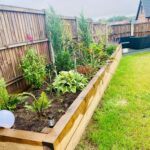
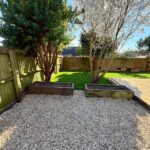
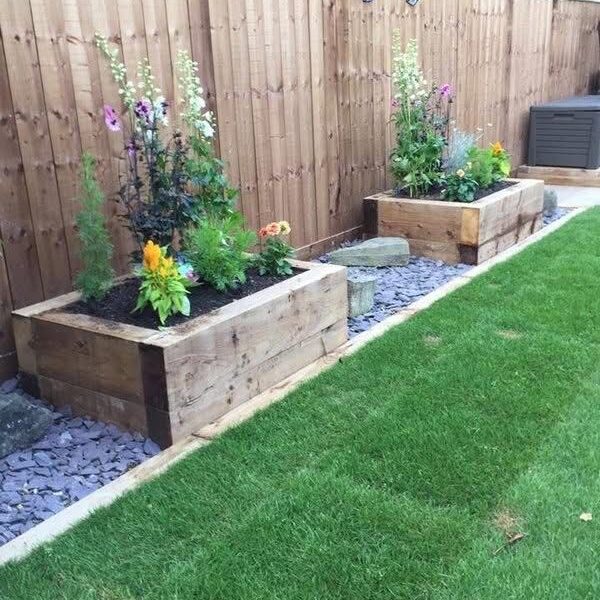
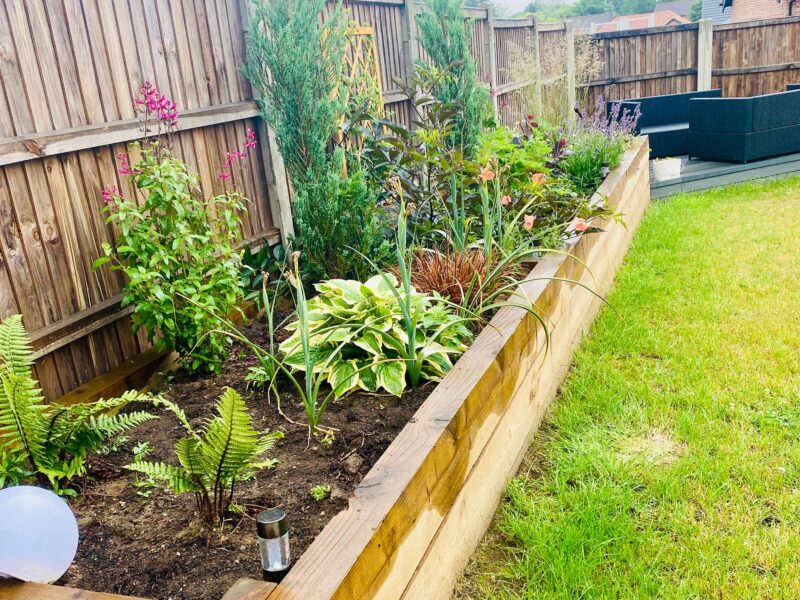
New or reclaimed oak and softwood sleepers creating a warm, natural aesthetic. Built with proper drainage, membrane, and premium topsoil fill.

Stone & Brick Beds

Natural stone or brick raised beds for a more formal, permanent look. Ideal for front gardens, courtyard settings, and period properties.

Accessible Growing

Beds designed at wheelchair or standing height for gardeners with limited mobility. Wide capping for seated use and easy-reach planting depths.

Vegetable & Herb Gardens

Productive raised bed layouts with companion planting, crop rotation plans, and optional integrated irrigation for hassle-free growing.

Ornamental Borders

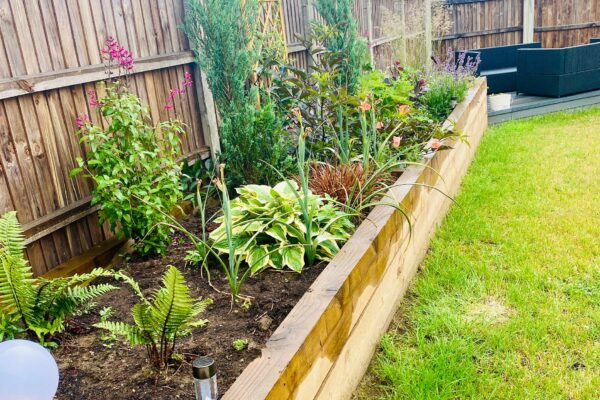
Raised planting beds that add height, definition, and drama to flat gardens. Filled with layered perennial schemes for year-round colour.

Irrigation & Drainage

Built-in drainage layers to prevent waterlogging and optional drip irrigation systems that keep beds watered automatically during dry spells.

“We asked for raised beds so my mother could garden from her wheelchair. The team built beautiful sleeper beds at exactly the right height with wide edges to sit on. Mum is out there every day now.”

CB
Claire B.
Downham Market, Norfolk

Frequently Asked Questions

What height should raised beds be?

For general gardening, 40 to 60cm is ideal. For wheelchair access, 60 to 75cm works well. For purely ornamental planting, even 20 to 30cm adds useful definition. We advise based on your needs.

How long do sleeper raised beds last?

With proper construction including a membrane liner and drainage, softwood sleeper beds typically last 10 to 15 years. Hardwood (oak) and stone beds last considerably longer.

Are treated sleepers safe for growing vegetables?

Modern pressure-treated sleepers use tanalised timber which is safe for vegetable growing. We always line beds with a membrane as an extra precaution. We never use old creosote-treated railway sleepers for food growing.

Can you add raised beds to an existing garden?

Yes. Raised beds are one of the easiest features to retrofit. We can integrate them into your current layout with complementary materials and pathways.

Our Other Services

Let us create your dream garden

Get in touch to discuss your project. We offer free, no-obligation consultations.